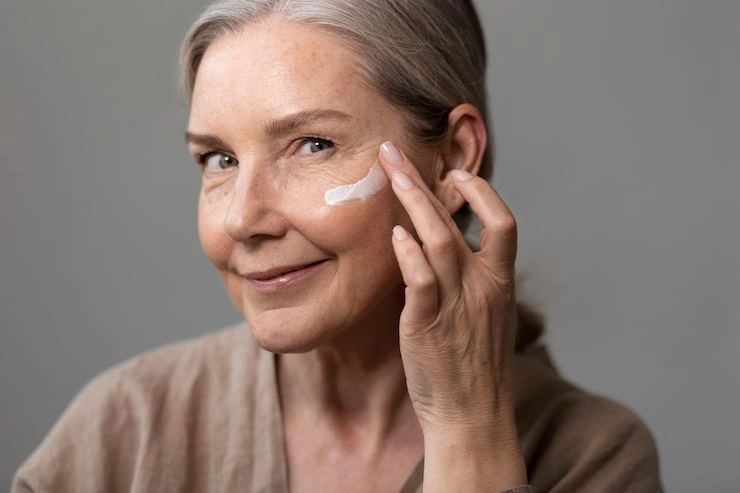
My skin used to feel like sandpaper by morning. No matter what I put on at night, I would wake up with tight, flaky patches around my nose and cheeks. It took me years to figure out what actually helps night skincare routine for dry skin.
Most advice out there is confusing. People throw around big words. They recommend products that cost a fortune. None of it addresses the real problem.
Dry skin lacks oil. Plain and simple. Your skin does not make enough of its own natural oils to keep itself protected. So when you sleep, all that moisture you put on just evaporates into the air. This leaves you with dry, sad skin in the morning.
But I found a way around this. It took trial and error. Many bad products. Many wasted dollars. But I finally have a routine that delivers consistent results.
Here is exactly what I do and what I have learned.
Why Night Is The Right Time?

Your body works on a schedule. During the day, your skin is in defense mode. It fights off UV rays. It deals with pollution. It handles all the stuff you throw at it.
At night, everything changes. Your skin shifts into repair gear. Cell turnover speeds up. Blood flow increases. Your skin is literally rebuilding itself.
This makes nighttime the ideal moment to give your skin what it needs. The products you apply actually sink in better. They do not have to compete with sweat, dirt, or environmental stress.
But here is the catch. Water loss from your skin goes up at night too. Your skin is more permeable. This means moisture escapes more easily.
So your night routine has two jobs. First, give your skin plenty of moisture. Second, stop that moisture from leaving.
Get both right and your skin transforms. Get either wrong and you waste your time and money.
My Cleansing Rules
- I used to wash my face with whatever soap was in the shower. Bad idea. Really bad.
- Soap strips everything off your skin. Not just dirt. It takes your natural oils too. For dry skin, this is a disaster.
- Here is what I do now. I use a cream cleanser. It feels like rubbing lotion on my face. No foam. No tightness afterward.
- Oil cleansers work great too. They dissolve makeup and sunscreen without fighting your skin. You massage it on dry skin. Add water to emulsify. Rinse off. Your face feels clean but not stripped.
- Water temperature matters too. I learned this the hard way. Hot water feels good but dries you out. Cold water does not clean well. Lukewarm is where it is at.
- After washing, I pat my face dry with a soft towel. I do not rub. Rubbing irritates dry skin and makes redness worse.
- If your face feels tight after cleansing, your cleanser is wrong. Change it. That tight feeling means damage.
Read Also: Best Night Skincare Routine For Combination Skin
What A Toner Does For You?
I thought toner was pointless for years. I thought it was just scented water in a pretty bottle.
Then I tried a hydrating toner. Everything changed.
Toner after cleansing restores balance. Your skin's pH gets thrown off by washing. Toner brings it back. It also adds a layer of moisture that your skin drinks up.
The key is choosing the right one. Avoid toners with alcohol. They smell strong and feel cooling but they dry you out. Look for ones with aloe, rose water, or glycerin instead.
I pour a little in my palm. Then I pat it into my skin with my hands. No cotton pads. Cotton wastes product and does not absorb as well.
Do this right after cleansing while your skin is still damp. The moisture from the toner locks in the water already on your face.
It sounds small but this step doubled the effectiveness of everything else I use.
Serums For Dry Skin
Serums are where things get interesting. They are thin liquids packed with good stuff. They go deep because their molecules are small.
For dry skin, hyaluronic acid changed my life. It pulls water into your skin. Not from the air. From the deeper layers of your skin. So you need to apply it on damp skin. Otherwise it has nothing to pull.
I put it on right after toner. My face is still slightly wet. I use three or four drops on my fingertips. Then I press it in gently. No rubbing.
A minute later, my skin feels plumper. The fine lines around my eyes look less obvious. This is the hyaluronic acid doing its work.
Other serums I like have niacinamide. This one calms redness. It also strengthens your skin barrier so you lose less moisture overall.
But keep it simple. You do not need seven serums. One good hydrating serum does more than three average ones.
Moisturizers Made Simple
Night cream is your main weapon against dry skin. Choose wrong and nothing else matters.
For dry skin, you want something thick. Really thick. Think butter, not lotion. Lotions have too much water. They evaporate quickly. Creams have more oil and stay put all night.
I look for shea butter in my night cream. Shea butter is rich and soothing. It softens rough patches and makes skin feel smooth by morning.
Ceramides are another great find. Ceramides are fats naturally found in your skin. As you get older, you lose them. Putting them back helps rebuild your moisture barrier.
I apply a generous amount. Not a tiny pea-sized dot. A full layer. Enough that my skin looks a little shiny when I go to bed.
Massage it in with upward motions. Spend a full minute doing this. The massage helps your circulation and helps the product absorb better.
Eye Cream And Body Care
People forget their eyes and body. I used to do this too. Big mistake.
The skin around your eyes is thin. It shows dryness fast. Fine lines appear. Skin looks crepey. A good eye cream at night prevents this. I pat a small amount under each eye. Use your ring finger. It has the lightest touch. Do not drag or pull. Just gentle patting until it absorbs.
Your body needs moisture too. Your legs, arms, and hands lose water overnight just like your face. After my shower at night, I put on body lotion while my skin is still damp. This locks in water from the shower. My legs used to get scaly and ashy. Now they stay soft. Jojoba oil works well for this. Almond oil too. Even plain coconut oil does the job. Just apply right after you dry off.
Slugging
This one sounds gross but it works.
Slugging means putting a thick layer of something greasy on your face. Petroleum jelly is the classic choice. You look ridiculous. Your pillow gets messy. But your skin feels incredible in the morning. Here is why. Petroleum jelly creates a seal over your skin. Moisture cannot escape. All the products you put on underneath stay trapped where they belong.
I do this once a week. On nights when my skin feels extra dry or flaky. I do my normal routine. Then I cover my face with a thin layer of Vaseline. Not too thick. Just enough to create a barrier. In the morning I wash it off. My skin is soft and smooth. Flakes are gone. Some people worry about breakouts. This can happen if your skin does not like heavy products. Patch test first. Try it on one area of your cheek. See how your skin reacts.
For very dry skin though, this is a miracle.
Better Ingredients For Dry Skin

Let me make this easy for you. When you shop, look for these things on the label.
- Hyaluronic acid. This is a moisture magnet. It draws water into your skin. Good for all skin types but essential for dry skin.
- Ceramides. These rebuild your skin barrier. Stronger barrier means less moisture loss.
- Shea butter. Rich and creamy. Softens and protects.
- Glycerin. Another humectant. Attracts water from your surroundings into your skin.
- Squalane. This mimics your skin's natural oils. It absorbs quickly but moisturizes deeply.
- Oat extract. Soothes irritated, dry skin. Great if your skin is also sensitive.
- Stick with these. Avoid anything with alcohol. Avoid harsh fragrances. Keep it simple and effective.
Bad Ingredients You Should Skip
Some products make dry skin worse. Here is what to avoid.
- Denatured alcohol. This is in many toners and sunscreens. It gives a cooling effect but destroys your moisture barrier.
- Fragrance. Both synthetic and natural. They can cause redness and irritation on dry skin.
- Sulfates. These create foam in cleansers. They strip away natural oils. Look for sulfate-free on the label.
- Essential oils. Lavender, citrus, and peppermint oil all irritate sensitive dry skin. Avoid them even though they smell nice.
- Retinol. Yes it helps aging. Yes it is popular. But it also makes dry skin even drier. If you use it, start very slow. Use the lowest strength you can find. Always follow with a rich moisturizer.
I personally stopped using retinol. The dryness was not worth the benefits for me. But you might tolerate it better.
Your Morning Matters Too
What you do in the morning affects your skin all day.
Do not wash your face with cleanser in the morning. Just splash with water. Your skin produced natural oils overnight. Those are good for you. Keep them.
Apply sunscreen every morning. Rain or shine. Winter or summer. Sun damage makes dry skin worse. Sunscreen prevents that damage.
Drink water through the day. It helps but it is not magic. Your skin is the last organ to get water. So drink enough to help your whole body, not just your night skincare routine for dry skin.
Environment Changes Your Skin
The room you sleep in affects your skin more than you think. Heating dries out the air. Dry air pulls moisture from your skin. This is why your skin feels worse in winter. A humidifier fixes this. I keep one on my nightstand every winter. It puts moisture back in the air. My skin stays hydrated through the night. Your pillowcase matters too. Cotton absorbs your skincare products. Silk or satin does not. They also create less friction on your skin. Less friction means fewer creases on your face.
Also keep your bedroom cool. Overheating makes you sweat. Sweat contains salt. Salt dries out your skin.
You May Also Like: Best Moisturizer For Dehydrated Skin
Exfoliation Without Damage
Dry skin looks dull. Dead cells pile up on the surface. This blocks your products from going in.
- You need to remove these dead cells. But physical scrubs hurt dry skin. The little beads create micro-tears. This makes dryness and redness worse.
- Use chemical exfoliants instead. Lactic acid is gentle. Glycolic acid works faster but is stronger. Start with lactic acid once a week.
- I exfoliate on Sunday nights only. Just one time per week. My skin looks brighter the next day. My moisturizer absorbs better too.
- Never exfoliate more than twice a week. Your skin needs time to recover. Over-exfoliating destroys your barrier. Then you are back where you started.
Dry Versus Dehydrated
This confused me for years. They are different.
Dry skin lacks oil. This is your natural skin type. You were born with it. Your skin produces less sebum than other people. This does not change.
Dehydrated skin lacks water. This is a condition. Anyone can get it. Oily skin can be dehydrated too.
How to tell the difference. Dry skin feels rough and looks flaky. Dehydrated skin feels tight but can look shiny. Pores might look bigger.
Dry skin needs oils and butters. Dehydrated skin needs water and humectants.
Many people have both. My skin is dry type and often dehydrated in winter. So I use oils and humectants together. That combination works best.
Putting It All Together
Here is my full routine in order.
- Wash with cream cleanser. Warm water only.
- Pat my face dry. No rubbing.
- Apply toner with my hands. Light patting motions.
- Put on hyaluronic acid serum. Damp skin helps it work.
- Wait one minute. Let it sink in.
- Apply night cream. Thick layer. Upward strokes.
- Eye cream around my eyes. Gentle patting with ring finger.
- Body lotion on arms and legs. Right after my shower.
- Once a week I add slugging with petroleum jelly.
- That is it. Nothing complicated. Takes about five minutes total.
- But I do it every single night. No skipping. Consistency makes the difference.
Products I Actually Use
I am not paid to say any of this. I just buy these with my own money because they work.
- My cleanser is La Roche-Posay Toleriane Hydrating Gentle Cleanser. No foam. No tightness. Just clean skin.
- My toner is Heritage Store Rosewater. Simple. No alcohol. Smells good naturally.
- My serum is The Ordinary Hyaluronic Acid. Cheap and effective. Does exactly what it says.
- My night cream is Vanicream Daily Facial Moisturizer. Thick but not greasy. Has squalane and ceramides.
- My eye cream is CeraVe Eye Repair Cream. Lightweight but moisturizing.
- My body lotion is Eucerin Advanced Repair. Has ceramides and works on rough patches.
These all cost less than fancy department store brands. They work better too because they focus on ingredients, not marketing.
What Changes You Will See?
Give this routine four weeks. Do it every night without skipping.
In the first week, your skin will feel less tight. The flakiness around your nose will start to fade. Your skin will look a little calmer overall. In the second week, your skin texture will improve. Those rough patches become smooth. Your makeup will sit better. No more patchy foundation. In the third week, your skin barrier will be stronger. You will notice less redness. Your skin can handle more without getting irritated. In the fourth week, your skin will look healthier. It glows. Not greasy glow. Healthy glow. Fine lines look less obvious because your skin is plumper. You will wake up with comfortable skin instead of tight skin. This makes a big difference in how you feel throughout the day.
Conclusion
Night skincare for dry skin does not need to be expensive or complicated. You just need the right steps and the right products. Cleanse gently. Add moisture. Lock it in. Repeat every night. Your skin has its own repair schedule. Help it do its work. Give it what it needs and then get out of its way. I wish someone had told me this years ago. I wasted so much money on fancy products that did nothing. I used harsh cleansers that made things worse. I skipped toner because I thought it was unnecessary.