Have you ever looked at old photos from the 1920s and wondered, "What were they wearing?" The clothes look so different from today. They are loose, short, and full of sparkles. It was a fashion revolution.
So, what was the big deal about 1920s Fashion Trends For Women? Simply put, women stopped wearing tight, heavy clothes. They started wearing fun, comfortable clothes that let them move and dance. This guide will explain everything. We will talk about the famous flapper dress, the short bob haircut, the bell-shaped hats, and the shoes they wore. We will use the easiest words possible so anyone can understand. Let's go back in time and explore the amazing fashion of the 1920s.
Why Did 1920s Fashion Change So Much?
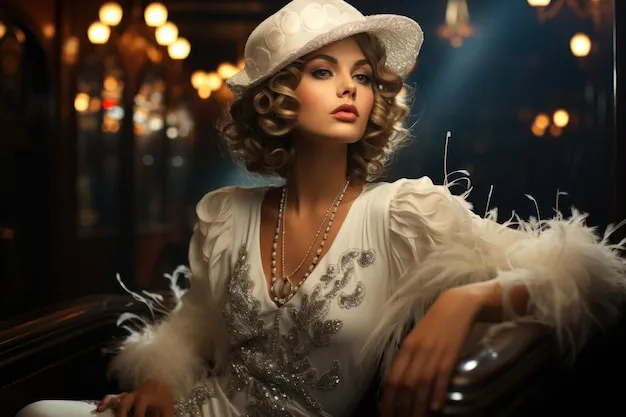
To understand the clothes, you first have to understand the time. The 1920s was a decade of huge change. Before this, in the 1910s, women's fashion was very strict. Dresses went all the way to the floor. Women wore tight corsets that squeezed their bodies. It was hard to breathe and almost impossible to run or dance.
Then, World War I ended in 1918. Everyone was tired of the sad and difficult times. Young people, especially, wanted to have fun. They wanted to forget the war and enjoy life. This new attitude changed everything, including fashion.
The Rise of the Flapper
A new kind of woman appeared in the 1920s. She was called a "flapper." A flapper was a young woman who was bold, independent, and loved to have a good time. She listened to new jazz music. She danced new dances like the Charleston. She went to parties. And she wore totally new clothes.
The flapper rejected the old ways. She did not want to be a quiet, proper lady. She wanted to be seen and heard. Her clothes were a way of showing this new freedom.
Freedom of Movement
The old clothes were like cages. The new clothes were about freedom. Dresses became loose. They did not show the shape of the body. Women even wore special underwear called "corset covers" or "bust bodices" that made their chests look flat. This was the opposite of the old style, which pushed the chest up and the waist in.
The goal was to look like a straight line, like a boy. This was called the "garçonne" look, which is French for "little boy." It was modern, it was new, and it was perfect for dancing all night long.
New Technology and Ideas
Other things helped change fashion too. Cars became popular. Women could go for drives, and they needed hats that would not fly off. The cloche hat was perfect for this. Movies also became a big deal. Women would go to the cinema and see actresses in the latest styles. They wanted to copy those looks. Fashion started to spread faster than ever before.
So, the fashion of the 1920s was not just about clothes. It was about a whole new way of thinking and living. It was about fun, freedom, and being modern.
What Did Women Wear Every Day in the 1920s?
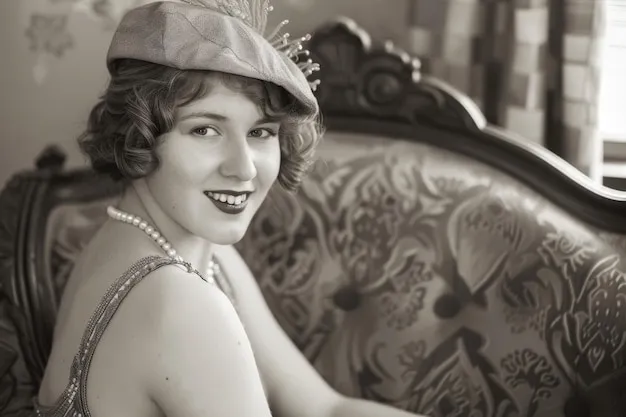
You might think all women in the 1920s wore sparkly party dresses all the time. But that is not true. They had different clothes for different times of the day. Daywear was for working, shopping, or visiting friends. It was much simpler than what they wore at night.
Simple Day Dresses
For a normal day, a woman would wear a simple dress. It had the same shape as the party dress: loose, straight, and ending at the knee. But it was made of plain fabrics. Common fabrics were cotton, wool, or a soft knit called jersey. The colors were often basic too, like navy blue, grey, beige, or black.
These dresses had simple, useful details. They might have a few buttons down the front. They might have a little collar, like a Peter Pan collar. They often had pockets! This was a new and very handy thing. A woman could keep her handkerchief or a little change in her pocket.
Skirts and Blouses
Many women also wore separates. This means a skirt and a blouse worn together. The skirt was straight and short, just like a day dress. It often had pleats or gathers. Pleats are folds sewn into the fabric. They made the skirt wider and easier to walk in.
The blouse was loose and comfortable. Some blouses had a little tie at the neck, like a small scarf. Others had simple embroidery or smocking, which is a type of stitching that gathers the fabric. This was a very practical and comfortable outfit for a busy day.
What About Outerwear?
When the weather was cold, women needed coats. Coats in the 1920s had the same straight shape as the dresses. They were often made of wool and could be very long, sometimes going down to the calf. A popular style was the wrap coat. It had no buttons. You just wrapped it around yourself and held it closed with your hand or a big pin.
For a dressier look, a woman might wear a fur stole. A stole is like a long, wide scarf made of fur. It was draped over the shoulders to keep warm and look fancy. Another popular option was a little fur jacket, often made of fox fur, that ended at the waist.
Shoes for Daytime
Shoes for daytime were practical. The most popular style was the T-strap shoe. It had a low, thick heel. A strap went from the ankle down to the toe, making a "T" shape. This kept the shoe on securely. They were usually made of leather. Another common style was the Mary Jane. This was a simple shoe with a single strap across the top of the foot. Both styles were comfortable for walking and doing errands.
What Made 1920s Party Dresses So Special?
When the sun went down, the fashion went wild. Evening wear in the 1920s was all about glamour, sparkle, and fun. This is where the famous flapper dress really shines.
The Flapper Dress
The flapper dress is the most famous piece of clothing from the "1920s Fashion Trends For Women". It had a very simple shape. It was like a long tube that went straight down from the shoulders to the knees. The waistline was very low, sitting on the hips. This made the dress look long and straight.
The magic was in the decoration. These dresses were covered in beads, sequins, and pearls. They were often made of beautiful fabrics like silk, velvet, or chiffon. The beads and sequins would catch every bit of light. When a woman walked into a party, she would sparkle from head to knee.
The Magic of Fringe
Another very popular detail was fringe. Fringe is made of long strings of fabric or beads hanging from the dress. Fringe was not just for looks. It was for dancing. When a woman did the Charleston, the fringe would swing and sway with her movements. It made the dance look even more exciting and lively. The fringe moved to the music. It was like part of the dance itself.
Colors for Night
Day dresses were often plain colors. But party dresses came in rich, deep shades. Popular colors were emerald green, sapphire blue, and ruby red. Black was also a very popular and chic color for evening wear. Gold and silver dresses, often made of metallic fabrics or covered in metallic beads, were also a big hit.
Backless Dresses
The flapper dress had another daring feature. Many evening dresses had very low backs or were completely backless. This was a shocking new idea. It showed off a woman's back, which was considered very glamorous. It was also practical for dancing, as it allowed for more movement. A long strand of pearls was often worn down this bare back, making it even more eye-catching.
Evening Shoes and Bags
Evening shoes were dressier versions of the daytime styles. They might be made of metallic gold or silver leather. They could be covered in fabric to match the dress. Some even had a few beads or a little buckle for decoration.
Women also carried small bags called "evening bags" or "reticules." These bags were very small because they only needed to hold a few things like a compact mirror, some lipstick, and a handkerchief. They were often made of the same fabric as the dress or covered in beads to match the sparkly look.
How Did 1920s Women Style Their Hair and Hats?
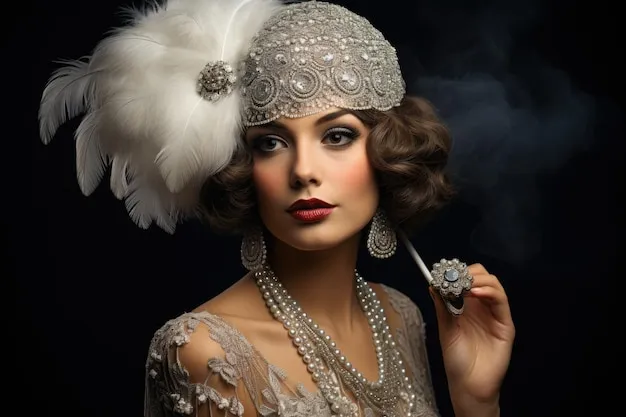
The hair and hat were a very important part of the 1920s look. They worked together to create the complete style. This combination is one of the most recognizable parts of the decade.
The Bob Haircut
The most famous hairstyle of the 1920s was the bob. Before this, almost all women had long hair. They would put it up in big, complicated buns. Cutting it all off was a very bold and modern thing to do.
A bob was a short haircut. It usually ended at the chin or the ears. It was a statement. It showed that a woman was modern and not afraid of change. Some women kept their bob very simple and straight. Others curled the ends under, framing their face.
Finger Waves
A very popular way to style a bob was with "finger waves." This was a technique where the hair was molded into perfect, flat S-shaped waves that lay close to the head. Stylists did this by using their fingers and a special gel or lotion to shape the wet hair. It was a very sleek and elegant look. It was also the height of fashion. You see this style in almost all photos of glamorous women from the 1920s.
The Cloche Hat
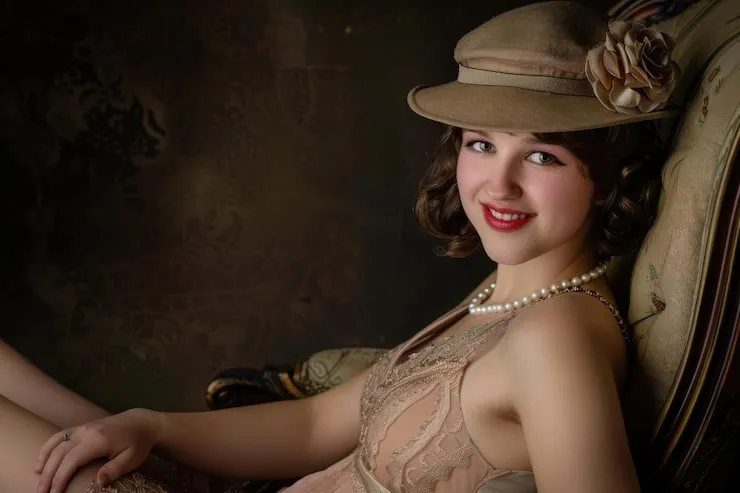
With short hair, you needed a new kind of hat. The cloche hat was the perfect answer. "Cloche" is the French word for "bell." The hat was shaped exactly like a bell. It was made of felt or soft fabric and fit very tightly on the head.
The hat was pulled down low, so it almost covered the eyes. To see where she was going, a woman had to tilt her head back a little. This gave flappers a slightly mysterious and confident look. The cloche hat showed off the short hair at the back while framing the face in the front. It was the perfect hat for the perfect haircut. Hats were often decorated with a simple ribbon, a small bow, or a pretty brooch. A woman was not fully dressed without her cloche hat.
Other Headwear
For very fancy evening events, women sometimes wore headbands instead of hats. These were often made of jewels, feathers, or pearls. They were worn low across the forehead, which was another popular 1920s look. This added a touch of glamour without covering up an elaborate finger wave hairstyle.
What Kind of Jewelry and Accessories Did They Wear?
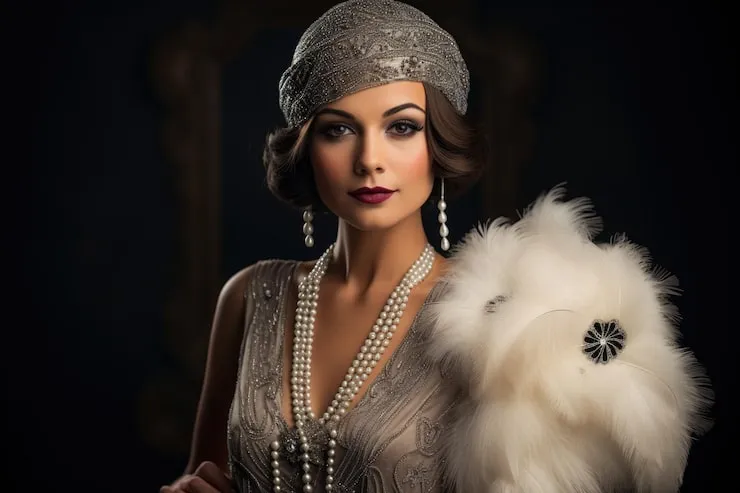
Accessories were very important in the 1920s. They added the finishing touches to an outfit. They made a simple day dress look special and a party dress look amazing.
Long Pearl Necklaces
The most famous accessory of the decade was the long strand of pearls. These necklaces were worn very long, sometimes hanging down to the waist. They could be made of real, expensive pearls or fake, costume pearls.
Women wore them in many different ways.
-
Just hanging: They would let the long strand hang loose down the front of their dress.
-
Looped: They would loop the strand once or twice around their neck for a different look.
-
Knotted: They would sometimes tie a loose knot in the pearls at chin level.
-
Tossed over the back: For evening, if a dress had a low back, a woman might toss the pearls over her shoulder so they hung down her bare back. This looked beautiful and the pearls would swing when she danced.
Other Jewelry
Long drop earrings were also very popular. They would dangle and swing, catching the light. Women often wore many bracelets at the same time. They would stack them on their wrists. The bracelets would clink together and make a little noise, adding to the fun, jangly sound of a Flapper dress style. Brooches, or big pins, were also common. They were used to decorate a hat, the collar of a coat, or the side of a dress.
Stockings
Because dresses were now short, stockings became a very important item. Stockings were made of silk or a new fake silk called rayon. They were very thin and see-through. They came in light colors like nude, beige, and suntan. Many stockings had a dark line, called a seam, going up the back. Women had to be very careful to make sure this seam was perfectly straight up the back of their leg. To hold the stockings up, they wore garter belts around their waist.
Frequently Asked Questions (FAQs)
Here are the most common questions people ask about 1920s fashion, answered in simple words.
Q: What is the difference between a flapper and a regular woman in the 1920s?
A: The word "flapper" specifically describes a young woman who followed the new, modern trends. She had the short bob haircut, wore the short loose dresses, listened to jazz, and went to parties. She was a symbol of the "Roaring Twenties." A "regular woman" is a broader term. It could mean any woman living in the 1920s, including older women or housewives who might not have adopted all the extreme flapper styles. Many women wore simpler versions of the new fashion, like a plain day dress and sensible shoes, without the beads, fringe, and heavy makeup of a flapper. So, all flappers were 1920s women, but not all 1920s women were flappers.
Q: Did 1920s women wear pants?
A: For most of the 1920s, women did not wear pants in public for everyday life. Pants were still considered vintage 1920s clothing. However, things started to change very late in the decade, around 1928 and 1929. A famous designer named Coco Chanel helped make pants more acceptable. She started wearing wide-legged pants, often called "beach pajamas," at the beach or at home relaxing. For normal activities like shopping or going to work, women still wore dresses and skirts. Pants for women did not become truly common until many decades later.
Q: How did 1920s women put on makeup?
A: Makeup became very popular in the 1920s. Before this, "respectable" women often wore very little makeup. But in the 1920s, it became fashionable to wear obvious makeup. The goal was a specific look.
-
Lips: The most famous look was the "cupid's bow" mouth. Women would paint their lips in a small, over-exaggerated shape, like a perfect little heart. The color was always very dark, like deep red or almost black. Lipstick came in small tubes, just like today.
-
Eyes: Eye makeup was very heavy. Women used dark eyeshadow, often in shades of grey, black, or dark brown. They would smudge it all over their eyelids. They also used lots of black mascara to make their eyelashes look long and dark.
-
Skin: Women wanted pale skin. They would use face powder to make their skin look matte, or not shiny. This powder often came in pretty compacts that they could carry in their small bags.
-
Cheeks: Rouge, or blush, was used to add color to the cheeks. It was often applied in a round circle on the apples of the cheeks.
Q: What did a 1920s wedding dress look like?
A: Wedding dresses in the 1920s followed the same fashion trends as regular dresses. They were loose and straight, with a low waistline on the hips. The hemline was shorter than in previous eras, often ending at the mid-calf or even the ankle. They were usually made of beautiful fabrics like silk, satin, or lace. Many brides chose to wear a cloche hat or a beautiful headband with jewels or flowers instead of a long, flowing veil. The veil, if worn, was often short, just to the shoulder. The whole look was modern, sleek, and very different from the big, puffy Victorian wedding dresses of the past. This showed that even for a traditional event like a wedding, the new 1920s style had taken over.
Conclusion: The Lasting Look of the 1920s
The fashion of the 1920s was more than just clothes. It was a symbol of a whole new world. Women broke free from the tight corsets and long heavy skirts of the past. They chose freedom, comfort, and fun instead.
The look was simple to describe but powerful to see. The straight, loose flapper dress that ended at the knee. The short, sleek bob haircut. The tight-fitting cloche hat pulled low over the eyes. The long strands of pearls that swung while dancing the Charleston. And the T-strap shoes with low heels that let women move all night long.
This fashion did not just disappear. We still see its influence today. Designers still make flapper-style dresses for parties. Women still get bob haircuts. The 1920s proved that clothes could be comfortable and beautiful at the same time. It showed that fashion could reflect a woman's spirit and her desire for freedom.
The Roaring Twenties was a decade of change, and the clothes were the most visible sign of that change. They were fun, they were modern, and over one hundred years later, they are still unforgettable. So the next time you see a photo from the 1920s, you will know exactly what you are looking at. You are looking at the clothes that helped set women free.