You wake up. You wash your face. You put on sunscreen to protect your skin. But by lunch time, your face looks shiny. By evening, you see new small bumps. This is frustrating.
Many sunscreens that you buy from the store have oils. They have fake smells. They have ingredients that block your skin pores. When your pores get blocked, you get acne. This is true even for sunscreens that say they are for the face.
If you have oily skin, your face already makes more oil than it needs. Adding a heavy sunscreen makes the problem worse. That is why you need to switch to a mineral sunscreen for oily acne prone skin.
What Is A Mineral Sunscreen?
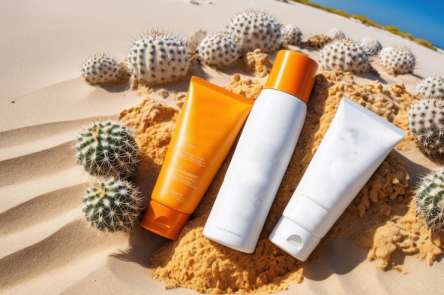
A mineral sunscreen sits on top of your skin. It does not go inside your skin. It works like a mirror. It takes the sun rays and bounces them away from your face.
There are two main parts in a mineral sunscreen. One is zinc oxide. The other is titanium dioxide. Both are natural powders that come from the ground. They are not made in a lab with harsh chemicals.
When you put a mineral sunscreen on your face, the tiny powder particles stay on the outer layer. They do not go into your blood. They do not cause burning or stinging. This is very different from chemical sunscreens..
Read Also: Natural Remedies For Dark Circles Under Eyes
Chemical Sunscreen Versus Mineral Sunscreen For Acne
Chemical sunscreens work like a sponge. They soak into your top skin layers. Then they turn the sun rays into heat. Your skin releases this heat.
For someone with acne prone skin, this heat can cause problems. Heat makes your skin more swollen. It can make red pimples look more red. It can also make your oil glands work faster. More oil means more acne.
Chemical sunscreens also have many ingredients that feel heavy. Things like avobenzone, oxybenzone, and octinoxate. These names are hard to say. But more importantly, they are hard for your skin to handle. Many people with acne find that these ingredients cause small white heads the next day.
Mineral sunscreens do not have these problems. They do not create heat. They do not sink into your pores. They just sit there and reflect the sun.
Why Zinc Oxide Is Your Best Friend?
Zinc oxide is the most important part of a mineral sunscreen for acne prone skin. Here is why.
Zinc oxide is calming. If you have a red pimple, zinc helps take the redness down. Many acne creams have zinc in them for this exact reason. So when you use a sunscreen with zinc, you get sun protection and acne help at the same time.
Zinc oxide also soaks up extra oil. Remember, your skin already makes a lot of oil. Zinc powder naturally pulls some of that oil away. Your face looks less shiny. Your pores stay less full.
Most mineral sunscreens for acne prone skin have zinc oxide as the main ingredient. Look for at least ten percent zinc. Fifteen percent is better. Twenty percent is best but can feel thick.
What To Look For On The Label?
When you turn a sunscreen bottle around to read the back, do not feel lost. Here are the things you want to see.
First, look for the words non comedogenic. This is a fancy way to say will not block your pores. But do not trust only this word. Read the ingredient list too.
Second, look for the word oil free. Many sunscreens add coconut oil or avocado oil. These oils feel good on dry skin. But on oily skin, they cause breakouts. Oil free means no added oils.
Third, look for the words fragrance free or no smell added. Fake smells are a very common reason for skin reactions. Your face does not need to smell like flowers. It needs to be calm and clear.
Fourth, look for mattifying or shine control. These products have extra powders inside. They help your face look less oily through the day.
What To Avoid In A Mineral Sunscreen?
Even mineral sunscreens can have bad ingredients. Here is what to stay away from.
Avoid coconut oil. Many natural sunscreens add coconut oil because it feels nice. But coconut oil is very bad for acne prone skin. It blocks pores more than almost any other oil. One use can cause breakouts for days.
Avoid shea butter. This is another natural ingredient that is too thick. It sits on your skin like a heavy coat. Your oily skin does not need this.
Avoid isopropyl myristate. This is an ingredient that makes sunscreen spread easier. But it is known to cause blackheads and white heads. Many acne safe products still use this. Read carefully.
Avoid denatured alcohol. Some sunscreens add alcohol to make the product dry faster. But alcohol hurts your skin barrier. When your skin barrier is hurt, your skin makes even more oil to fix itself. This makes the cycle worse.
Avoid waxes like beeswax or candelilla wax. Waxes are thick. They cover your pores. They are hard to wash off at night. Leftover wax on your face will cause acne the next day.
How To Put Mineral Sunscreen On Oily Skin?
Putting on sunscreen the right way matters a lot. Many people do it wrong. Then they blame the product.
Start with a clean face. Wash your face with a gentle cleanser. Do not use a harsh scrub. Do not use a wash that leaves your skin feeling tight. Just clean and soft.
Next, put on your acne treatment if you use one. This can be a salicylic acid serum or a benzoyl peroxide cream. Wait two minutes for it to dry.
Then put on a light moisturizer. Yes, even oily skin needs moisturizer. Choose a gel based moisturizer. It should feel like water on your skin. Not like a lotion. Wait two more minutes.
Now take your mineral sunscreen. Shake the bottle well. Powders settle at the bottom. Squeeze out a bit more than you think you need. Most people do not use enough.
Put small dots all over your face. One dot on each cheek. One dot on the nose. One dot on the chin. One dot on the forehead.
Now rub it in gently. Mineral sunscreen takes more work than chemical sunscreen. You have to really spread it around. Keep rubbing until you cannot see white streaks.
Wait five minutes before you put on any makeup. The sunscreen needs time to set. If you rush, it will move around and look patchy.
How Much Sunscreen To Use?
This is a very common mistake. People use too little mineral sunscreen for oily acne prone skin.
For your face alone, you need a strip the length of your finger. From your first knuckle to your fingertip. That much. Not a small pea size. Not a drop.
For your neck, use the same amount. For each ear, a small dot. People forget their ears. Your ears get sun too.
If you use too little, the number on the bottle does not matter. An SPF 50 used in small amount becomes SPF 15 or less. So use the full amount.
How To Reapply Sunscreen Without Breaking Out?
You need to put sunscreen on again every two hours. But how do you do this over makeup without getting dirty or causing acne.
The best way is to use a powder mineral sunscreen. This is a brush with sunscreen powder inside. You twist the bottom. Powder comes out. You brush it over your face.
Powder sunscreens are great for oily skin. They soak up oil while adding protection. They do not feel heavy. They do not mess up your makeup.
If you do not want to buy a powder, you can use a sunscreen stick. Look for a stick that says matte finish. Swipe it over your face. Then pat it in with your fingers. Do not rub. Patting keeps your makeup in place.
You May Also Like: How To Treat Pigmentation On Face Naturally India
How To Wash Off Mineral Sunscreen At Night?
Washing off mineral sunscreen is very important. If you leave it on your face, it can block your pores. Not because the sunscreen is bad. But because any thick layer left overnight is bad.
Do not just use a face wipe. Wipes do not remove mineral sunscreen fully. They just move it around your face.
Use an oil free cleanser. Put it on dry skin first. Rub it around for thirty seconds. Then add water. Rub for another thirty seconds. Then rinse.
If you feel any roughness on your skin after washing, you did not get all the sunscreen off. Wash again. Or use a soft washcloth with your cleanser.
Follow with your night time acne treatment and moisturizer. Your skin repairs itself while you sleep. Give it a clean surface to work on.
The White Cast Problem And How To Fix It
Mineral sunscreens leave a white color on your face. This is the powder sitting on top. This is how they work. But many people do not like how this looks.
If you have fair skin, the white cast might not show much. If you have darker skin, it will show more.
Here is how to fix this.
Look for a tinted mineral sunscreen. Tinted means the maker added natural color to the sunscreen. This color matches your skin tone. The white cast goes away. You get protection without looking like a ghost.
If you cannot find a tinted one that matches you, try mixing your sunscreen with a drop of liquid foundation. Do not mix it in the bottle. Mix one use only in your palm. Then put it on your face.
You can also put your sunscreen on first. Let it dry. Then put a powder foundation on top. The powder covers the white look. It also soaks up oil. This is a good trick for very oily days.
Best Times To Use Mineral Sunscreen
You need sunscreen every single day. Even when it is raining. Even when you stay inside near a window. Even when it is winter. The sun comes through clouds and through glass.
But mineral sunscreen is especially good on certain days.
Use it on days you will sweat. Chemical sunscreen runs into your eyes when you sweat. It burns. Mineral sunscreen does not burn your eyes. It stays where you put it.
Use it on days your skin feels angry. If you have active breakouts that are red and sore, chemical sunscreen will make the heat worse. Mineral sunscreen will calm the redness down.
Use it after any skin treatment. If you just got a facial or used a strong acne cream, your skin is sensitive. Mineral sunscreen will not sting or cause more redness.
What About Sprays?
Sunscreen sprays are easy. You point. You spray. You go. But for acne prone skin, sprays are not the best choice.
Most sprays have alcohol or other drying ingredients. These hurt your skin barrier over time. Also, sprays get into the air. You breathe them in. This is not good for your lungs.
If you really want a spray for your body, that is fine. But for your face, use a lotion or a cream. You have more control. You use the right amount. You do not breathe in chemicals.
Can You Use Baby Sunscreen?
Many people think baby sunscreen is safer. Baby products have fewer ingredients. This is true. But baby products are not made for oily skin.
Baby sunscreens often have shea butter or coconut oil. These make the product very thick. They are good for dry baby skin. They are bad for your oily acne prone skin.
So do not use baby sunscreen on your face. Use one made for your skin type.
How Long Does A Bottle Last?
This depends on how much you use and how often. But here is a rough guide.
If you use your face sunscreen every day, one small bottle of fifty milliliters lasts about one month. This is if you use the right amount. If you use less, it lasts longer but you get less protection.
Write the date you open the bottle on the bottom. Most sunscreens work well for twelve months after opening. After that, throw it away. Old sunscreen does not work. It can also grow bacteria that cause acne.
Final Thoughts
Taking care of your skin in the sun does not have to cause more acne. You just need the right product. A mineral sunscreen with zinc oxide. No oils. No smells. No thick butters or waxes.
Start with a clean face. Put on a light gel moisturizer. Use a full finger length of sunscreen. Rub it in well. Reapply every two hours with a powder or stick. Wash it off fully at night.