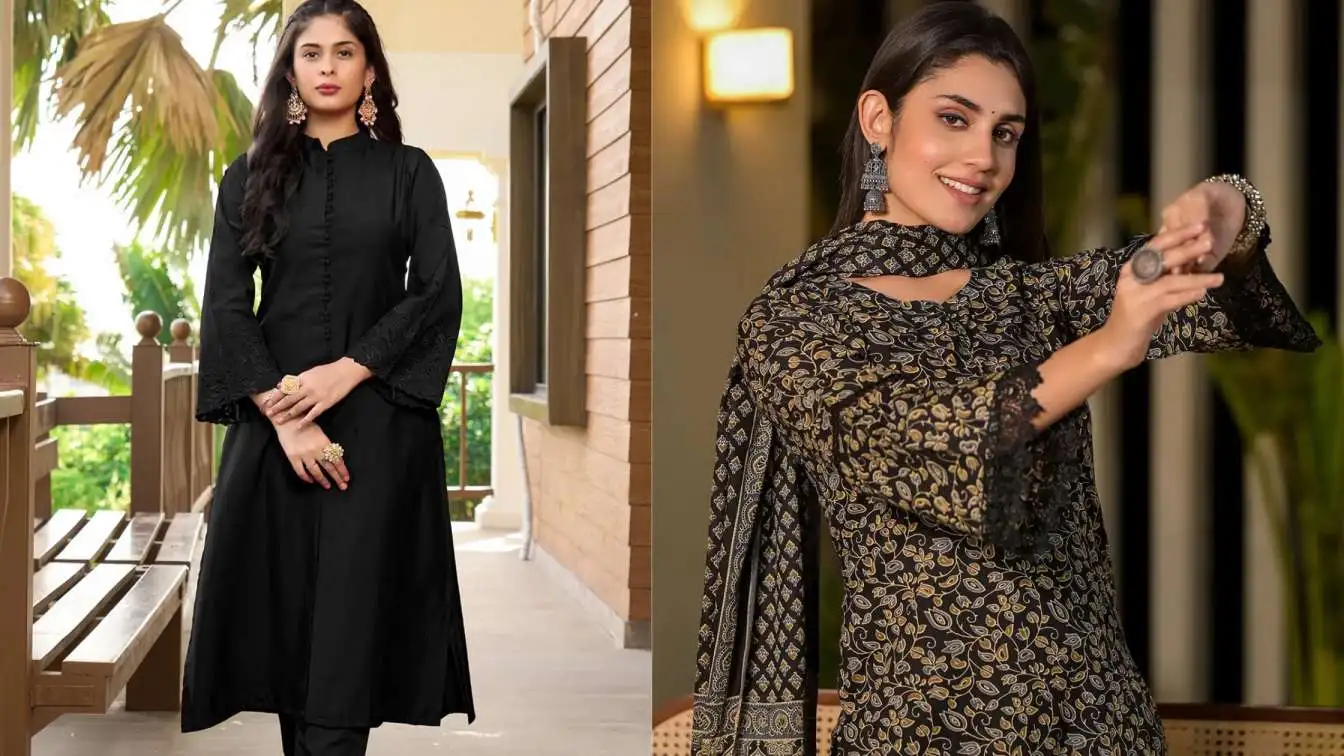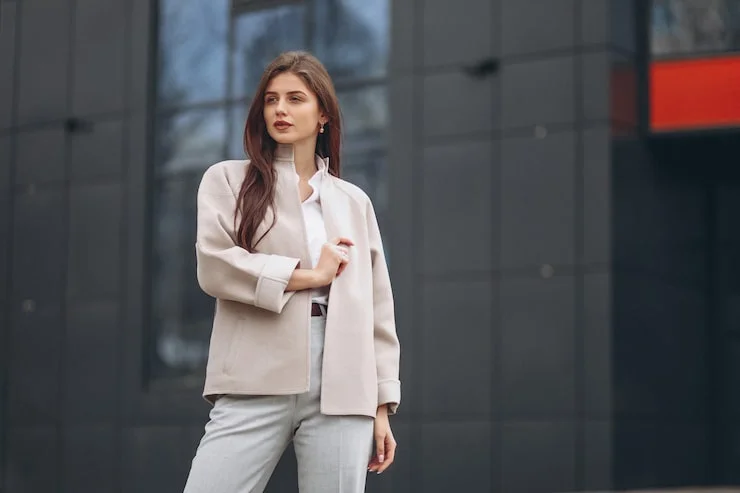
A good casual business outfit for women combines one structured piece with one relaxed piece. Think a blazer with dark jeans, or a knit sweater with tailored trousers. The goal is to look put-together without looking like you are heading into a formal board meeting.
Most women struggle with this dress code because "casual business" sits in an awkward middle ground. It is not a suit. It is not sweatpants. It is a gray area that changes depending on your office, your city, and the people you work with. This guide breaks down what actually works, what to avoid, and how to build outfits that feel like you—not like a uniform.
What "Casual Business" Really Means?

Casual business, often called business casual, is a dress code that asks for professionalism without formality. You are expected to look neat and intentional. You are not expected to wear a tie or a matching suit.
The confusion happens because this dress code varies wildly. A casual business outfit at a tech startup in Austin looks different from one at a law firm in Chicago. Before you buy anything, look at what the people one level above you are wearing. That is your real guide.
That said, some rules apply almost everywhere. Clothes should fit well. Fabrics should look cared for. Nothing should be visibly worn out. And your outfit should never distract from your casual business outfits for women.
Read Also: Kurti Styling Ideas For College Girls
The Outfit Formulas That Work
Instead of memorizing a list of acceptable items, learn a few combinations. These formulas are flexible. You can swap pieces in and out based on what you already own.
Blazer + Dark Jeans + Simple Top
This is the most reliable casual business formula for women. A blazer adds structure. Dark jeans (no rips, no fading) keep it grounded. A plain top underneath—a t-shirt, a thin knit, or a silk camisole—keeps the look from feeling heavy.
The key is the fit of the blazer. It should sit on your shoulders without pulling. The sleeves should end near your wrist bone. If the blazer looks like it belongs to someone else, the whole outfit falls apart.
Knit Sweater + Tailored Trousers
For colder months, this combination works beautifully. A fine-gauge knit sweater looks polished. Pair it with trousers that have a clean line—straight leg, wide leg, or a gentle taper. Avoid trousers with visible logos or excessive pockets.
The sweater should not be oversized to the point of looking sloppy. A relaxed fit is fine. A fit that swallows you is not.
Midi Skirt + Simple Blouse + Flats or Low Heels
A midi skirt that hits below the knee but above the ankle is a strong casual business choice. It looks intentional without trying too hard. Pair it with a blouse that has a simple neckline—a button-down, a V-neck, or a crew neck.
Shoes matter here. Ballet flats, loafers, or a low block heel all work. Avoid stilettos (too formal) and sneakers (too casual for most offices, though this is changing in some workplaces).
Midi Dress + Cardigan or Denim Jacket
A simple midi dress in a solid color or subtle print can carry you through a casual business day. Add a cardigan or a denim jacket if your office runs cold or if you want to tone down the formality.
The dress should have sleeves or a neckline that feels appropriate for your workplace. If you are unsure, bring a layer to put over it.
What to Avoid?
Some pieces almost never work in a casual business setting. Save these for weekends or remote days.
Athletic wear. Leggings, joggers, and gym shoes belong at the gym. Even "nice" leggings read as athletic to most people. If you want the comfort of leggings, choose ponte pants or stretchy trousers instead.
Graphic t-shirts. A t-shirt can work under a blazer. A t-shirt with a band logo or a slogan does not. Keep the message to yourself.
Visible rips or distress. Distressed denim has its place. That place is not a casual business office. Dark, clean denim is your friend here.
Overly revealing pieces. Deep necklines, very short hemlines, and sheer fabrics without layers create distraction. The goal is to be remembered for your work, not your outfit.
Loud logos. A small logo is fine. A giant brand name across your chest is not. Casual business is about subtlety.
Shoes, Bags, and the Details That Finish the Look

People notice shoes. It is one of the first things the eye travels to when assessing an outfit. For casual business, choose shoes that are clean and comfortable enough to walk in.
Loafers, oxfords, ballet flats, low block heels, and simple ankle boots all work. Sneakers are acceptable in some offices now, but choose a clean, minimal pair—not your running shoes.
Your bag should look intentional. A structured tote, a leather crossbody, or a simple satchel all work. Avoid backpacks unless your office culture clearly embraces them.
Jewelry should be simple. Small earrings, a thin necklace, a watch. You do not need to pile it on. One or two pieces are enough to look finished.
You May Also Like: Fashion Tips For Dusky Skin Tone
How to Build a Casual Business Wardrobe Without Overspending?
You do not need a new wardrobe. You need a few pieces that casual business outfits for women.
Start with two pairs of trousers—one dark, one neutral. Add one pair of dark jeans with no rips. Get two blazers that fit your shoulders. Add three to four simple tops—t-shirts, knits, or blouses in solid colors. Finish with two pairs of shoes you can wear all day.
That is roughly ten pieces. They will mix into more outfits than you expect. A black blazer with gray trousers is one outfit. The same blazer with dark jeans is another. The knit sweater with the trousers is a third.
Buy slowly. Choose fabrics that feel good against your skin. Check the seams and the buttons. A well-made inexpensive piece beats a poorly made expensive one every time.
FAQs
Can I wear jeans to a casual business office?
Yes, in most offices that use this dress code. Choose dark washes without rips, fading, or distress. Pair them with a blazer or a structured top to keep the look professional.
Are sneakers acceptable?
It depends on your workplace. In creative or tech offices, clean minimal sneakers are often fine. In more traditional offices, choose loafers or flats instead. When in doubt, look at what your manager wears.
What about summer? Does the dress code change?
The principles stay the same, but the fabrics change. Linen trousers, cotton blouses, and midi dresses work well in heat. Avoid shorts and tank tops unless your office culture is extremely relaxed.
Do I need to wear heels?
No. Flats, loafers, and low heels are all appropriate. Comfort matters. You cannot do your best work if your feet hurt.
Final Thoughts
Casual business dressing is not about following a strict set of rules. It is about looking like you thought about your outfit before you left the house. One structured piece. One relaxed piece. Clothes that fit. Shoes you can walk in.
Start with what you already own. Add pieces slowly. Pay attention to what the people around you wear. And remember that confidence carries an outfit further than any single item ever will.