PDRN has become one of the most talked-about ingredients in skincare. You have probably seen it in serums, creams, and clinic treatments. Maybe you have heard it called the "salmon sperm facial" and wondered what that really means. This article explains what pdrn skincare benefits for skin is, what it does for your skin, and what you should realistically expect from products that contain it.
The information here comes from published research, dermatologist input, and product testing. No hype. No exaggeration. Just what the science and real-world experience actually show.
What Is PDRN?
PDRN stands for polydeoxyribonucleotide. That is a long name for a simple thing: it is a piece of DNA. Specifically, it is a group of DNA fragments that come from salmon sperm cells. The DNA from salmon is used because it is very similar to human DNA — about 97% similar. That similarity means your body recognizes it and can use it without treating it like a foreign invader.
The full name is hard to say, so most people just call it PDRN.
PDRN was not created for beauty products. It started in medicine. Doctors used it to help heal wounds, burns, and skin grafts. They noticed something interesting: patients treated with PDRN did not just heal faster. Their skin came back thicker, smoother, and stronger. That observation led to the use of PDRN in skin treatments and eventually in skincare products you can buy without a prescription.
Newer versions of PDRN come from plants. Some brands use PDRN made from rice, ginseng, or barley sprouts. These plant-based versions are made for people who prefer not to use animal products. The goal is the same: deliver DNA fragments that help skin repair itself.
Read Also: Castor Oil Benefits For Eyelashes
How PDRN Works in Your Skin?
PDRN does not work like most skincare ingredients. It does not sit on the surface and moisturize. It does not exfoliate. It does not block the sun. Instead, PDRN acts as a signal. It tells your skin cells to do their job better.
The main way it works is by binding to something called adenosine A2A receptors. These receptors are like switches on the surface of your cells. When PDRN flips that switch, a chain of events begins. Your skin starts to reduce inflammation. It starts to build more collagen. It starts to repair damage.
Research shows that PDRN increases the activity of fibroblasts. Fibroblasts are the cells in your skin that make collagen and elastin. Collagen gives your skin firmness. Elastin gives it bounce. As we age, fibroblasts slow down. PDRN tells them to speed up again.
PDRN also helps create new blood vessels in the skin. More blood vessels mean more oxygen and nutrients reach your skin cells. That translates to healthier, more resilient skin over time.
One more thing: PDRN provides building blocks for DNA repair through something called the salvage pathway. Your skin cells are constantly repairing themselves. PDRN gives them the raw materials to do that work more efficiently.
The Real Benefits You Can Expect
Now let us talk about what PDRN actually does for your face. This is where many articles get carried away. So let us be clear about what the evidence supports and what it does not.
Improved Skin Elasticity and Firmness
This is the most well-supported benefit of PDRN, especially when it is injected or paired with microneedling. Clinical studies show that PDRN treatments improve skin elasticity and reduce roughness. One study found that PDRN increased Type I collagen by 1.36 times and Type III collagen by 3.07 times. Type III collagen is sometimes called "baby collagen" because it is abundant in young skin.
What this means for you: skin that feels firmer and looks less crepey. Fine lines around the eyes and mouth may soften over time. This is not the same as filler. You will not see a dramatic volume change. The improvement is gradual and natural-looking.
Faster Healing and Barrier Repair
PDRN was first used to heal wounds for a reason. It genuinely helps skin recover faster. This benefit carries over to cosmetic use. If your skin is stressed, irritated, or recovering from a procedure, PDRN can support the repair process.
A 2022 study found that a topical formula containing PDRN, vitamin C, and niacinamide helped reduce pigmentation and improve elasticity. The PDRN appeared to help the other ingredients work better.
What this means for you: if you have sensitive skin, or if you recently had a laser treatment or chemical peel, PDRN products may help your skin bounce back more quickly. It strengthens the skin barrier over time, which means less redness and reactivity.
Reduced Inflammation and Redness
PDRN has anti-inflammatory properties. It reduces the chemicals in your skin that cause swelling and redness. This makes it useful for people with mild inflammatory conditions or for anyone whose skin gets flushed easily.
One study looked at using polynucleotides (which are closely related to PDRN) for facial redness. Cosmetic physicians reported positive results.
What this means for you: calmer skin. Less blotchiness. A more even tone. This benefit builds over weeks of consistent use, not overnight.
Support for Acne Scars
A randomized controlled trial published in 2025 tested PDRN injections on people with acne scars. Participants who received PDRN showed measurable improvement in scar appearance. When PDRN was combined with another treatment, the results were even better.
What this means for you: PDRN is not a scar eraser. It will not make deep pitted scars disappear. But it can help soften the texture of scars and improve the overall look of the skin over time. This benefit is strongest with in-clinic treatments rather than topical products.
Injections vs. Serums: The Important Difference
This is the part most articles skip. It is also the part you need to understand before you spend money.
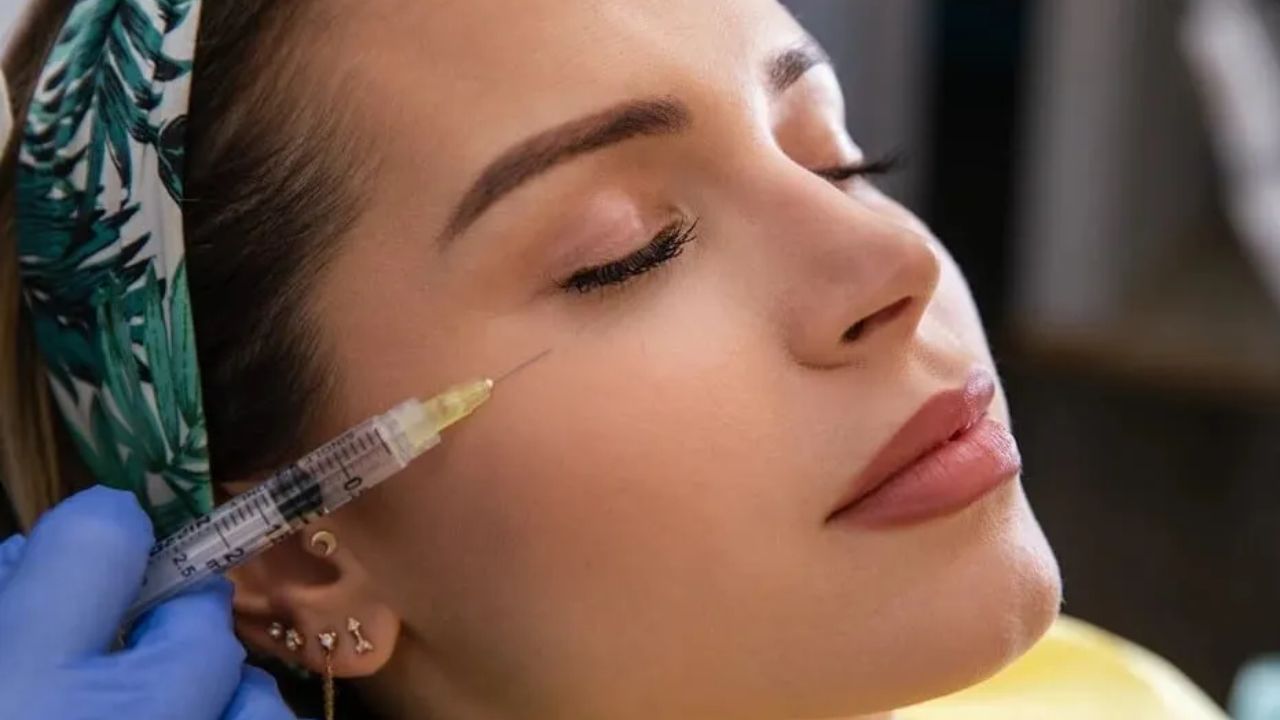
PDRN works best when it gets into the deeper layers of your skin, where fibroblasts and collagen live. Injections deliver PDRN directly there. That is why the clinical evidence for PDRN is mostly based on injected treatments.
Topical serums and creams have a harder job. Your skin's outer layer is designed to keep things out. Molecules larger than about 500 Daltons have a difficult time passing through intact skin. PDRN fragments are bigger than that.
That does not mean topical PDRN is useless. It means the effects are different. Topical PDRN can support hydration, calm irritation, and help with barrier repair. It can make your skin look healthier and more radiant. But it will not deliver the same collagen-building results as an injection.
A late-2025 study did show that a specific low-molecular-weight plant-derived PDRN improved skin elasticity around the eyes after four weeks of topical use. That is encouraging. But it was one small study with one specific type of PDRN. Most products on the shelf do not use that formulation.
What this means for you: if you want maximum collagen benefits, injections (done by a qualified professional) are the gold standard. If you want a supportive product for hydration, calming, and glow, a topical serum can help. Just do not expect a serum to do what an injection does.
You May Also Like: Natural Remedies For Dark Circles Under Eyes
What to Look For in a PDRN Product?
The market is flooded with PDRN products right now. Some are excellent. Some are just riding the trend. Here is how to tell the difference.
Check the ingredient list position. PDRN should appear relatively high on the list if the product contains a meaningful amount. If it is listed after preservatives or fragrance, there is probably very little in there.
Look for supporting ingredients. PDRN works well with hyaluronic acid, niacinamide, ceramides, and peptides. These ingredients support hydration and barrier function. They complement what PDRN does.
Consider the source. Salmon-derived PDRN is the original. Plant-derived versions (from rice, barley, ginseng) are newer but show promise. If you avoid animal products, look for a vegan label.
Be realistic about concentration. More is not always better. But a product with a tiny amount of PDRN is not going to do much. Look for brands that disclose their PDRN percentage or at least position it as a key ingredient, not an afterthought.
Patch test first. Even though the purification process removes most proteins that cause fish allergies, a small risk remains. If you have a fish allergy, test a small area first. If you have very sensitive skin, do the same.
Who Should Be Careful With PDRN?
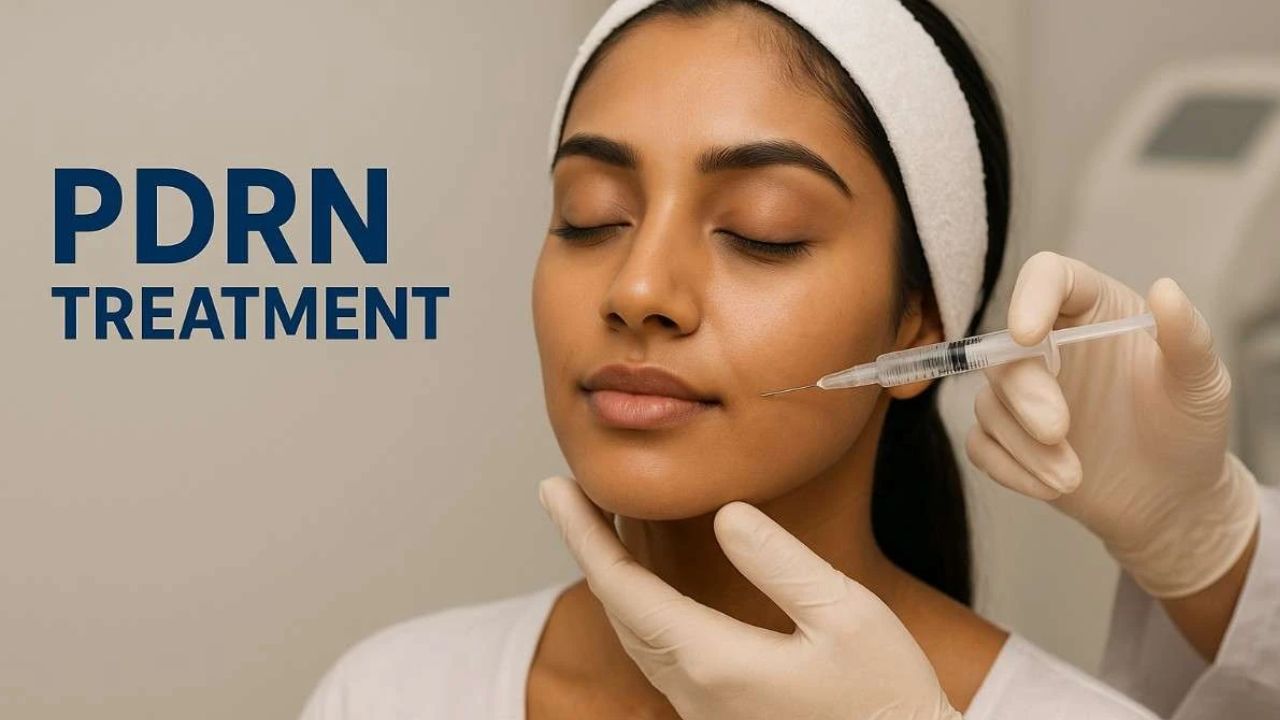
PDRN is generally well-tolerated. Side effects from injections are usually mild and temporary: some redness, swelling, or bruising that goes away in a day or two.
But there are situations where you should avoid it or ask a doctor first.
Fish or seafood allergy. Even though purified PDRN removes most allergens, the theoretical risk remains. If your allergy is severe, skip it or get medical clearance.
Pregnancy and breastfeeding. There is not enough safety data. Most manufacturers recommend avoiding PDRN during pregnancy and nursing.
Active skin infections or open wounds. Do not use PDRN on broken or infected skin. Wait until your skin is healed.
Inflammatory skin conditions. If you have active eczema, rosacea, or psoriasis flares, PDRN may irritate your skin further. Wait for a calm period and pdrn skincare benefits for skin.
Conclusion
PDRN is not a miracle. It will not erase wrinkles overnight or replace a good skincare routine. But it is also not just hype. The science behind it is real. It stimulates collagen, reduces inflammation, and supports skin repair in ways that few other ingredients can.
The key is matching your expectations to the delivery method. Injectable PDRN, done in a clinic, has strong evidence for improving elasticity, texture, and scars. Topical PDRN, found in serums and creams, is better for hydration, calming, and overall skin health.
If you are curious about PDRN, start with a topical product from a reputable brand. Use it consistently for at least four to six weeks. See how your skin responds. If you want more dramatic results, talk to a dermatologist about in-clinic options.