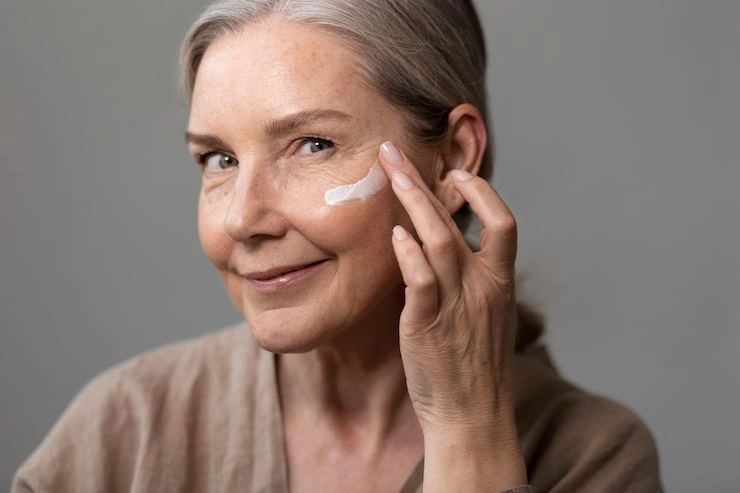
I remember the exact moment I looked in the mirror and thought something looked different. It was not a dramatic change. No sudden wrinkles appeared overnight. But my skin looked tired. The glow I used to wake up with was gone. I started paying attention to other people around my age. I noticed my friends talking about the same thing. We all felt like our skin was changing. The products we used in our twenties did not work the same way anymore.
This is not a crisis. It is just biology. Your skin does different things at different ages. The routine that kept your skin clear at twenty-two might leave it dry and dull at thirty-two. That does not mean you did anything wrong. It means your skin needs something different now.
I wrote this guide because I could not find one simple place that explained everything without trying to sell me something. Every article I read pushed expensive products or complicated routines. I just wanted to know what was actually happening and what I actually needed to do about it.
So here it is. A straight talk about skincare after thirty. No gimmicks. No pressure. Just real information you can use starting today.
The Real Changes Happening Under Your Skin

Let me explain what happens when you cross thirty. It is not magic. It is science. And understanding it makes everything else make sense.
Remember how your skin used to bounce back? You could pull an all-nighter, sleep for four hours, and still look fine the next day. You could use harsh cleansers and your skin would just deal with it. That changes in your thirties.
Your body makes less collagen. Collagen is like the framework that holds your skin up. Think of it like mattress springs. When they are new and tight, everything looks smooth and firm. As they loosen up, things start to sag. That is what collagen loss does to your skin.
Cell turnover slows down too. In your twenties, your skin sheds dead cells quickly. New ones come up to the surface. Everything looks fresh. In your thirties, that process takes longer. Dead cells hang around. This makes your skin look dull and rough. It also means products sit on top of dead skin instead of sinking in.
Your skin barrier gets weaker. The barrier is the outermost layer. Its job is to keep moisture inside and keep bad things out. As it thins out, water escapes more easily. Your skin feels dry more often. It gets irritated more easily. Things that never bothered you before might start to sting.
Hormones shift too. This is a big one for women. Estrogen levels start to fluctuate. This can affect oil production. Some people get oilier. Some people get drier. Some people get breakouts in places they never had them before. It is frustrating but totally normal.
The good news is that these changes happen slowly. You have time to adjust. You do not need to panic buy products. You just need to understand what is happening and respond to it.
Read Also: Best Night Skincare Routine For Combination Skin
Why Your Current Routine Probably Is Not Working?
I want you to think about what you are using on your face right now. Be honest. Are you still using the same cleanser you bought in college? Are you skipping moisturizer because you have oily skin? Do you only wear sunscreen when you go to the beach?
These things worked in your twenties because your skin was more resilient. It could handle harsh cleansers. It could bounce back from dehydration. It could repair sun damage more easily. That is not the case anymore.
That harsh foaming cleanser you love? It is stripping your barrier. It leaves your skin tight and dry. Your skin tries to compensate by producing more oil. Then you wash it again because it feels greasy. It is a cycle that makes everything worse.
That heavy moisturizer you used for dry winter skin? It might be too much now. Your skin needs hydration, but it might not need heavy oils. You might do better with a lightweight moisturizer that sinks in quickly.
That sunscreen you only wear at the beach? This is the biggest mistake. Sun damage is cumulative. It does not happen just on vacation. It happens every day. UV rays come through windows. They come through clouds. They hit your skin while you drive to work. That damage adds up over time.
I am not telling you this to make you feel bad. I made all of these mistakes too. I used apricot scrub on my face every single day. I thought it was good because my skin felt so clean afterwards. Now I know it was damaging my barrier. We all learn as we go.
The Only Four Steps You Actually Need
Here is the thing about skincare. It does not have to be complicated. You do not need a dozen products. You do not need to spend hundreds of dollars. You need four steps. Morning and night.
Step one is cleansing. This sounds simple. But how you do it matters. In the morning, you probably do not need a full wash. A splash of warm water is enough for most people. If you have oily skin, use a gentle non-foaming cleanser. Do not use hot water. Warm water is better.
In the evening, you need to do more. You need to remove sunscreen, makeup, and the dirt from the day. If you wear any of these things, start with an oil cleanser. Oil dissolves oil. It breaks down sunscreen and makeup gently. Then use a water-based cleanser to wash everything away.
The goal is clean skin that does not feel tight. If your skin feels squeaky clean, that is actually bad. Squeaky clean means you stripped your barrier. Your skin should feel soft and comfortable after washing.
Step two is treatment. This is where you use serums. Serums are concentrated products that target specific concerns. They are not the same as moisturizers. They do different things.
In the morning, use Vitamin C. This stuff is powerful. It protects your skin from pollution and sun damage. It brightens your skin. It helps with collagen production. Vitamin C is the one product almost everyone should use.
In the evening, use retinol. This is the gold standard. It speeds up cell turnover. It stimulates collagen. It smooths fine lines. It fades dark spots. It does everything. But you have to be careful with it. It is strong. Start slowly. Use it twice a week at first.
Step three is moisturizing. This locks everything in. Without moisturizer, your skin loses water. It gets dry and tight. Your barrier weakens further.
In the morning, use a lightweight moisturizer. You are putting sunscreen on top of it anyway. You do not need something heavy.
In the evening, use something richer. Your skin repairs itself at night. It needs more moisture to do that. A thicker cream with ceramides or peptides works well. If you are using retinol, a good moisturizer is essential. It helps counteract the dryness retinol can cause.
Step four is protecting. This is sunscreen. There is no way around this. Sun exposure causes most visible aging. It breaks down collagen. It causes dark spots. It creates wrinkles. Sunscreen is the most effective anti-aging product you can use.
Apply a broad-spectrum SPF 30 or higher every single morning. Rain or shine. Indoors or outside. Make it a habit. Think of it like brushing your teeth. You just do it without thinking about it.
A Routine You Can Actually Stick To
Here is a real routine you can start tomorrow. I have been using this for years. It works. It is simple enough to do every day.
Morning:
- Wash your face with warm water. Use a gentle cleanser if you need it.
- Put a few drops of Vitamin C serum on your face while your skin is still damp. This helps it absorb better.
- Apply a lightweight moisturizer. Let it sink in for a minute.
- Apply sunscreen. SPF 30 at minimum. SPF 50 is better. Use enough to cover your whole face and neck.
Evening:
- If you wore makeup or sunscreen, start with an oil cleanser. Massage it into dry skin. Rinse it off with warm water.
- Use a gentle water-based cleanser. Wash your face like normal.
- Pat your skin dry. Wait a few minutes for your skin to dry completely.
- Apply a pea-sized amount of retinol. Use only on nights you are using it. Do not use it every night when you start. Start with two nights a week.
- Apply a richer moisturizer. Let it sink in before you go to sleep.
- That is it. That is the whole routine. It takes less than five minutes in the morning and less than five minutes at night.
How to Add Retinol Without Destroying Your Skin?
Retinol is amazing. It does more for your skin than almost anything else. But it is also easy to mess up. I have messed it up more than once. Here is how to do it right.
Start with a low concentration. You do not need the strongest retinol on the market. A beginner retinol with a low percentage works fine. You can work up to stronger ones later.
Use it once or twice a week for the first two weeks. I know you want to use it more. I know you want results faster. Do not do it. Your skin needs time to adjust.
Apply it to dry skin. This is really important. If your skin is wet, the retinol absorbs more deeply. That sounds good but it actually causes more irritation. Pat your skin dry. Wait five minutes. Then apply the retinol.
Use a pea-sized amount. That is smaller than you think. A pea-sized amount covers your whole face. Do not use more than that. More is not better.
Follow it with moisturizer. You can even apply moisturizer before the retinol. This is called buffering. It reduces irritation. It still works. This is a great trick for beginners.
If your skin gets red or flaky, back off. Use it less often. Take a break. Let your skin heal. Then start again more slowly.
It takes time to see results from retinol. Do not expect changes overnight. You might notice smoother skin in a few weeks. Deeper changes take months. Be patient.
What Vitamin C Does and Why You Need It?
Vitamin C is not just a trendy ingredient. It really works. It does three things that matter for your skin.
First, it protects. Vitamin C is an antioxidant. This means it fights free radicals. Free radicals come from sun exposure and pollution. They damage your skin cells. They break down collagen. Vitamin C neutralizes them before they cause harm.
Second, it brightens. Vitamin C interrupts the process that creates dark spots. It helps fade existing spots. It gives your skin an even tone. This is why people say Vitamin C gives you a glow.
Third, it supports collagen. Vitamin C is necessary for collagen production. Your body literally needs it to make collagen. Using it on your skin helps boost that process.
The best time to use Vitamin C is in the morning. It works with your sunscreen. They are a team. Vitamin C protects. Sunscreen blocks UV rays. Together they give you better protection than either one alone.
Look for L-ascorbic acid. That is the most effective form. It is also the most unstable. It can oxidize and stop working. Store your Vitamin C in a cool dark place. Throw it away if it turns brown.
Why Your Skin Gets Dryer and What to Do About It
Dry skin is one of the most common complaints in your thirties. Your skin did not suddenly change. It just lost some of its ability to hold onto water.
The outer layer of your skin is made of cells held together by lipids. Think of it like a brick wall. The cells are bricks. The lipids are mortar. As you age, you produce less mortar. Water escapes through the gaps. Your skin feels dry and tight.
Hyaluronic acid helps with this. It is a humectant. This means it pulls water into your skin. It is not a moisturizer. It is a hydrator. Moisturizers add oil. Hydrators add water. You need both.
Apply hyaluronic acid to damp skin. It needs water to work. If you put it on dry skin, it will pull water from deeper in your skin. That actually makes you more dehydrated. Damp skin gives it water to pull in.
Ceramides are also important. Ceramides are the lipids that hold your skin together. Using them in your moisturizer helps rebuild your barrier. CeraVe products are good for this. They include ceramides in their formulas.
Occlusives are another option. These are ingredients that create a physical barrier on your skin. They lock moisture in. Shea butter and squalane are good examples. They sit on top of your skin and prevent water from evaporating.
You May Also Like: Natural Remedies For Dark Circles Under Eyes
What About Exfoliation?
Exfoliation is important in your thirties because cell turnover has slowed down. Dead cells pile up. This makes your skin look dull. It also makes it harder for products to absorb.
There are two types of exfoliation. Physical exfoliation uses scrubs or tools. Chemical exfoliation uses acids. I recommend chemical exfoliation for your thirties. It is gentler and more effective.
AHAs are water-soluble acids. Glycolic acid and lactic acid are common types. They work on the surface of your skin. They dissolve the bonds between dead cells. They smooth and brighten your skin.
BHAs are oil-soluble. Salicylic acid is the most common. It penetrates into pores. It clears out oil and debris. It is good for blackheads and breakouts.
Start with once a week. See how your skin reacts. If it handles that well, you can do twice a week. Do not exfoliate every day. That is too much. You will damage your barrier.
Do not exfoliate on the same night you use retinol. This is too much for your skin. Do them on separate nights.
Ingredients to Look For and Ingredients to Avoid
The beauty industry is confusing. There are thousands of products with thousands of ingredients. Here is a quick guide to what matters.
Good ingredients:
- Vitamin C protects and brightens. Use it in the morning.
- Retinol smooths and renews. Use it at night.
- Hyaluronic acid hydrates. Use it morning and night.
- Niacinamide balances and soothes. Use it morning or night.
- Ceramides repair and protect. Look for them in moisturizers.
- Peptides boost collagen. Good for sensitive skin.
- Squalane moisturizes without clogging pores. Good for all skin types.
Ingredients to avoid:
- Fragrance is a common irritant. It does not help your skin. It just adds smell. Avoid it if you have sensitive skin.
- Essential oils are also irritating. They are natural but that does not mean they are good for your skin. They can cause reactions.
- Sulfates are harsh cleansers. They strip your barrier. Look for sulfate-free cleansers.
- Alcohol is drying. It is in some toners and serums. It can be fine in small amounts but avoid it if your skin is dry.
- Physical scrubs with sharp particles. Apricot scrub is a classic example. It causes micro-tears in your skin.
How to Choose the Right Products for Your Skin Type
Everyone's skin is different. What works for one person might not work for another. Here is how to adapt the basic routine to your specific skin.
Dry skin:
- Your skin feels tight after washing. You might have flaky patches. You need richer products.
- Use a cream cleanser. Avoid foaming cleansers. They are too stripping.
- Look for hyaluronic acid and ceramides. They help with hydration.
- Use a thicker moisturizer. Something with shea butter or squalane works well.
- You might benefit from a face oil. Apply a few drops on top of your moisturizer.
Oily skin:
- Your skin feels greasy by midday. You might have large pores. You might get breakouts.
- Do not use harsh cleansers. They make things worse. Use a gentle gel cleanser.
- Niacinamide is great for you. It regulates oil production.
- Use a lightweight moisturizer. Gel moisturizers work well.
- Do not skip moisturizer. That makes your skin produce more oil.
Combination skin:
- Your T-zone is oily. Your cheeks are dry. This is the most common skin type.
- Use a gentle cleanser. Nothing too stripping or too heavy.
- Use a lightweight moisturizer everywhere.
- You can use richer products on your cheeks if they feel dry.
- Niacinamide works well for combination skin. It balances oil production.
Sensitive skin:
- Your skin reacts to products. It gets red and irritated easily.
- Go slow. Introduce one product at a time.
- Avoid fragrances and essential oils.
- Use a gentle cleanser with soothing ingredients.
- Start retinol very slowly. Buffer it with moisturizer.
- Patch test everything before using it on your face.
How Long Before You See Results?
This is the question everyone asks. How long does it take to see results from a new skincare routine?
The honest answer is that it depends. It depends on your skin. It depends on what you are using. It depends on how consistent you are.
You will see some changes fairly quickly. In a few weeks, your skin might feel softer. It might look more hydrated. The dullness might start to fade.
Deeper changes take longer. Fine lines and wrinkles take months to improve. Dark spots take months to fade. Collagen takes a long time to rebuild.
Retinol takes about three to six months to show significant results. Vitamin C shows results in about two to three months. Sunscreen shows results immediately by preventing future damage.
Be patient. Take photos once a month. It is hard to see changes day to day. Monthly photos help you see the progress.
Common Mistakes People Make in Their Thirties
I have made all of these mistakes myself. Learn from my errors.
Using too many products at once. You do not need a ten-step routine. More products do not mean better results. They often mean more irritation.
Adding products too quickly. Introduce one new product at a time. Wait a few weeks before adding another. This way you know what works and what does not.
Skipping sunscreen. I have said this many times but it is worth repeating. Sunscreen is the most important thing you can use.
Over-exfoliating. Exfoliating every day damages your barrier. Once or twice a week is plenty.
Using retinol too fast. Start slow. Twice a week. Build up over time. Your skin needs to adjust.
Sticking with your twenties routine. What worked then does not work now. Your skin has changed. Your routine needs to change too.
Expecting overnight results. Skincare takes time. You will not see dramatic changes in a week. Be patient and consistent.
Using harsh scrubs. Physical scrubs can cause micro-tears. Chemical exfoliation is gentler and more effective.
Not moisturizing oily skin. Oily skin still needs hydration. Skipping moisturizer makes your skin produce more oil.
How to Read Product Labels
The front of the bottle tells you what the company wants you to think. The back of the bottle tells you what is actually in the product. Learn to read the back.
Ingredients are listed from highest concentration to lowest. The first few ingredients are the most important. If the active ingredient is listed low on the list, it might not be very effective.
Look for the active ingredients. Vitamin C, retinol, niacinamide, hyaluronic acid. These are what matter. The rest is filler.
Watch out for fragrances. They are often listed as "fragrance" or "parfum." If your skin is sensitive, avoid them.
Check the packaging. Some ingredients are unstable. Vitamin C should be in an opaque or dark bottle. It degrades in light. Retinol should be in an airtight container. It degrades in air.
Do not be fooled by marketing. Words like "natural" and "clean" do not mean anything. They are not regulated. Anyone can use them.
The Role of Diet and Lifestyle
Products matter. But what you eat and how you live matters too. Your skin reflects what is happening inside your body.
Sleep is essential. Your skin repairs itself while you sleep. If you are not getting enough sleep, your skin looks tired and dull. Aim for seven to nine hours a night.
Stress shows on your face. Stress hormones cause inflammation. Inflammation breaks down collagen. Find ways to manage your stress. Exercise, meditation, whatever works for you.
Water helps. It is not a magic solution. It does not replace moisturizer. But it helps your cells function. Drink water throughout the day.
Eat antioxidants. Berries, leafy greens, nuts, and seeds. These foods fight free radicals. They support your skin from the inside.
Limit sugar. Sugar damages collagen. It is called glycation. It makes your skin less firm. Try to cut back on processed sugar.
Exercise improves circulation. It gets blood flowing to your skin. This delivers oxygen and nutrients. It gives you a healthy glow.
What About Botox and Fillers?
This is a personal choice. Some people in their thirties start using Botox or fillers. Others do not. Neither choice is wrong.
Botox relaxes muscles. It prevents expression lines from becoming permanent. It works well for forehead lines and crow's feet.
Fillers add volume. They plump up areas that have lost volume. They work well for nasolabial folds and tear troughs.
These are not replacements for skincare. You still need a good routine. They are add-ons. They work better when your skin is healthy.
If you are considering injectables, do your research. Find a qualified provider. Look at their before and after photos. Ask questions. Make sure you feel comfortable.
Cost is also a factor. Botox and fillers are expensive. They are not covered by insurance. They are an investment.
How to Build a Routine on a Budget?
- You do not need expensive products. Drugstore brands are effective. The ingredients matter, not the price.
- CeraVe and The Ordinary are good brands. They are affordable. They are formulated by dermatologists. They use effective ingredients.
- Focus on the essentials. Cleanser, moisturizer, sunscreen. These are non-negotiable. Spend your money on these first.
- Add active ingredients gradually. Vitamin C and retinol are next. You do not need both immediately. Pick one to start.
- Look for sales. Sign up for brand newsletters. They often have discounts. Drugstore coupons help too.
- Use samples when possible. Many stores offer samples of products. Try before you buy. This saves money on products that do not work for you.
- Do not buy products just because they are on sale. You end up with products you do not need. Stick to your routine.
Building a Routine That Works with Your Lifestyle
Your routine should fit into your life. If it is too complicated, you will not do it. Keep it simple.
Morning:
- Wash face or splash with water. This takes two seconds.
- Apply Vitamin C. One product. Quick and easy.
- Apply moisturizer. Another product. Fast.
- Apply sunscreen. This is the longest step. It still takes less than a minute.
Evening:
- Double cleanse. This takes a couple of minutes.
- Apply retinol on some nights. This is quick.
- Apply moisturizer. Done.
- If you are tired, you can skip the active serum. Just wash and moisturize. That is better than doing nothing.
- If you are traveling, pack the basics. Cleanser, moisturizer, sunscreen, retinol. You do not need everything.
- If you have a baby or a busy job, simplify. A three-step routine is fine. Cleanser, moisturizer, sunscreen. Add actives when you have time.
A Complete Sample Morning and Night Routine
Here is a detailed routine. It includes all the steps and the timing.
Morning Routine:
-
Wake up and splash your face with lukewarm water. Do not use hot water. It dries your skin out.
-
If your skin feels oily, use a gentle non-foaming cleanser. Massage it in for about thirty seconds.
-
Rinse thoroughly. Make sure you get all the cleanser off.
-
Pat your skin dry with a clean towel. Do not rub. Rubbing irritates your skin.
-
Apply a few drops of Vitamin C serum to your face. Use your fingertips. Tap it in gently.
-
Wait about a minute for the serum to absorb. Your skin should feel slightly tacky.
-
Apply your moisturizer. Use enough to cover your whole face and neck.
-
Wait another minute for the moisturizer to absorb.
-
Apply your sunscreen. Use a generous amount. You need about a nickel-sized amount for your face.
-
Wait five minutes before applying makeup. This gives the sunscreen time to set.
Evening Routine:
-
If you wore makeup or sunscreen, start with an oil cleanser. Pump it into dry hands.
-
Massage the oil cleanser into your dry face. Spend about a minute on this.
-
Rinse with lukewarm water. The oil cleanser should turn milky.
-
Use your gentle water-based cleanser. Work it into your skin for about thirty seconds.
-
Rinse thoroughly. Make sure no cleanser is left behind.
-
Pat your skin dry with a clean towel.
-
Wait about five minutes. Your skin needs to be completely dry.
-
If it is a retinol night, apply a pea-sized amount. Dot it on your forehead, cheeks, nose, and chin.
-
Spread it evenly over your face. Avoid your eye area and the corners of your mouth.
-
Wait five minutes for the retinol to absorb.
-
Apply your moisturizer. Use a generous amount. Massage it in gently.
-
If your skin feels extra dry, you can add a few drops of face oil on top.
Why Consistency Matters More Than Perfection
People ask me all the time what the best product is. I tell them the best product is the one you use every day.
A simple routine you do every day beats a complicated routine you only do sometimes. Consistency is everything.
Your skin responds to consistent care. It does not respond to sporadic care. Using retinol every day for a month is better than using it three times a week for three months.
Do not worry about doing everything perfectly. Some days you will be tired. Some days you will be busy. That is fine. Do what you can.
The goal is to build habits. Habits are automatic. You do not think about them. They just happen. That is what you want.
Frequently Asked Questions
Do I really need to wear sunscreen in the winter?
Yes. UV rays are present year-round. They come through clouds. They reflect off snow. Winter sun can still damage your skin. Wear sunscreen every day.
Can I use retinol around my eyes?
Be careful. The skin around your eyes is delicate. Retinol can irritate it. Use a product specifically designed for the eye area. Or just avoid the area completely.
What if my skin reacts badly to Vitamin C?
Some people cannot tolerate Vitamin C. It can cause redness or stinging. If this happens, stop using it. Try a different form of Vitamin C. Or skip it and use something else.
Can I use retinol and exfoliants together?
Do not use them on the same night. That is too much for your skin. Use them on separate nights. For example, exfoliate on Monday and use retinol on Tuesday.
How do I know if a product is working?
Take photos once a month. Compare them. Look for changes in texture, tone, and fine lines. You might not see changes day to day. Monthly photos show progress.
Do I need to use eye cream?
Not necessarily. Your regular moisturizer works for the eye area. If you want a specific treatment, look for peptides or caffeine. Apply gently with your ring finger.
What should I do if my skin is peeling from retinol?
Back off. Use retinol less often. Apply moisturizer before the retinol. This buffers it. The peeling should stop in a few days. Let your skin heal before you try again.
Can I use oils on oily skin?
Some oils are fine for oily skin. Squalane is a good choice. It is lightweight. It does not clog pores. Avoid heavier oils like coconut oil. They can cause breakouts.
Why is my skin breaking out in my thirties?
Hormonal changes are often the cause. Stress can also cause breakouts. Diet might be a factor. If you are using new products, you might be purging. Give it a few weeks to settle.
Do I need to change my routine for different seasons?
Yes. Winter weather is dry. Your skin might need more moisture. Summer weather is humid. You might need a lighter moisturizer. Pay attention to how your skin feels.
A 30-Day Quick Start Plan
If you are overwhelmed, start here. This plan gets you going without overwhelming you.
Week One: Get the basics right.
Morning: Splash with water. Apply moisturizer. Apply sunscreen.
Evening: Wash with a gentle cleanser. Apply moisturizer.
That is it. Do this every day. Build the habit. Do not add anything else.
Week Two: Add Vitamin C in the morning.
Morning: Splash with water. Apply Vitamin C. Apply moisturizer. Apply sunscreen.
Evening: Wash with gentle cleanser. Apply moisturizer.
Keep your sunscreen habit going.
Week Three: Add retinol twice a week.
Morning: Same as week two.
Evening: On Monday and Thursday, wash your face. Apply retinol. Apply moisturizer.
On other nights, just wash and moisturize.
Week Four: Increase retinol to three times a week.
Morning: Same as before.
Evening: Use retinol on Monday, Wednesday, and Friday. Wash, retinol, moisturizer.
On other nights, wash and moisturize.
After Week Four: Assess your skin.
Is it dry? Add a richer moisturizer at night.
Is it dull? You might want to add an exfoliant on nights you do not use retinol.
Is it breaking out? It might be purging. Give it a few more weeks.
Building a Long-Term Strategy
Your skin will keep changing. Your routine should change too. This is not a one-time fix. It is an ongoing process.
Pay attention to your skin. How does it feel? How does it look? When it changes, your routine should change with it.
In your forties, you might need more retinol. You might need more moisture. You might need different treatments for pigmentation.
Do not be afraid to adjust. Your skin is not the same as it was in your twenties. It will not be the same in your forties. Be flexible.
Keep learning. The science of skincare is always evolving. New ingredients are discovered. New formulations are developed. Stay informed but do not chase every trend.
Trust the basics. Cleanse, treat, moisturize, protect. These never go out of style. They are the foundation of any good routine.
Realistic Expectations for Your Skin
I want to be honest with you. Your skin will not look like it did at twenty-two. That is okay. You are not twenty-two anymore. You are thirty-two or thirty-four or thirty-eight.
Your skin can look healthy. It can look radiant. It can look smooth and even. These are achievable goals.
You can reduce fine lines. You can fade dark spots. You can improve texture. These are realistic.
You cannot erase every line. You cannot undo years of sun damage overnight. You cannot stop the aging process completely.
That does not mean you should give up. It means you should have reasonable goals. Take care of your skin. Protect it. It will look better for years to come.
Comparison is the enemy of progress. Do not compare your skin to someone else's. Compare your skin today to your skin from six months ago. That is the only comparison that matters.
Resources for Further Learning
If you want to learn more, here are some good places to start.
Lab Muffin Beauty Science. A chemist who explains skincare science clearly. She breaks down complicated topics into simple explanations.
Dr. Shereene Idriss. A dermatologist who makes skincare videos. She explains ingredients and routines in a practical way.
Dr. Sam Bunting. A British dermatologist. She has a no-nonsense approach to skincare. She tells you what works and what does not.
The Ordinary website. They explain their ingredients clearly. They help you understand what each product does.
CeraVe website. They explain barrier health and ceramides. They help you understand why their products work.
These are just starting points. There is a lot of good information out there. There is also a lot of bad information. Be critical. Check sources. Trust experts.
Putting It All Together
Here is what I want you to remember from this guide.
- Your skin changes in your thirties. That is normal. It is not a crisis. It is biology.
- You do not need a complicated routine. You need four steps. Cleanse, treat, moisturize, protect.
- Vitamin C and retinol are your best friends. Use Vitamin C in the morning. Use retinol at night.
- Sunscreen is non-negotiable. Wear it every day. It is the most important anti-aging product you can use.
- Be patient. Skincare takes time. You will not see results overnight. Give it months.
- Be consistent. A simple routine every day beats a complicated routine only sometimes.
- Listen to your skin. It tells you what it needs. Pay attention to it.
- Do not compare yourself to others. Compare yourself to your past self. That is the only comparison that matters.
- Start today. Not tomorrow. Not next week. Today. Build the habit. Your future self will thank you.